Get Started with Mintlink Today!
Automate your “link please” comments and start earning today. Download the free Mintlink app!
Table of Contents
Scroll through Instagram or Tik Tok and it feels like everyone is an influencer making six figures, traveling for free, and getting paid to post a single Reel. The reality in the U.S. creator economy is far less glamorous.
Here’s the uncomfortable truth, most influencers don’t actually make consistent money. In fact, a large percentage of creators with thousands, even tens of thousands, of followers struggle to earn more than a few hundred dollars a month. Not because influencer marketing is broken, but because most creators are playing the game the wrong way.
Followers Don’t Pay Bills Systems Do
In the early days of influencer marketing, brands paid purely for reach. Big follower count meant big money. That era is over. Today, U.S. brands care about performance, conversions, and measurable ROI. A creator with 8,000 engaged followers who drives sales is far more valuable than someone with 200K passive followers.
This is where many influencers fail. They chase virality, aesthetics, and views, but forget monetization systems. Without affiliate links, tracking, or automation, even viral content often leads to zero income.
Creators like Alix Earle didn’t just grow because of popularity, they built trust and monetization pipelines. Her content feels casual, but behind the scenes, every post is tied to partnerships, affiliate deals, and long-term brand strategy.
Why Brand Collabs Alone Are Not Enough
Most beginner creators believe brand deals are the end goal. In reality, brand collabs are unpredictable. One month you land a paid post, the next month is silent. This dependency is why so many creators burn out.
Even mid-tier U.S. influencers face this problem. Brands negotiate hard, delay payments, and often expect “extra deliverables.” Without backup income, creators remain stuck.
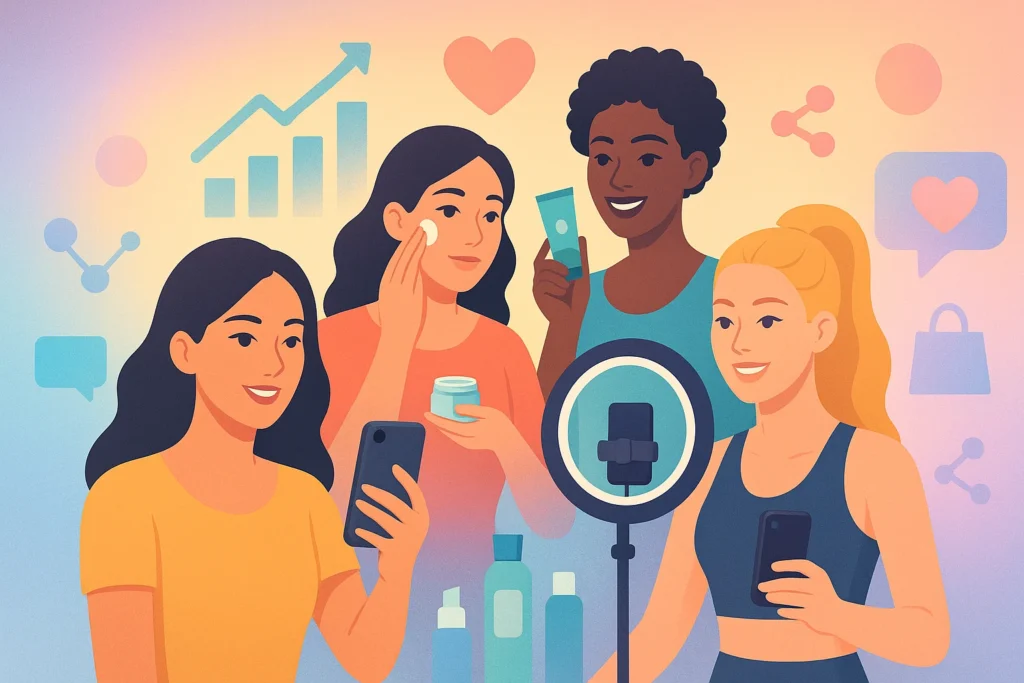
The creators who win combine brand collaborations with affiliate marketing. Instead of earning once, they earn repeatedly. A single Instagram Reel with an affiliate link can drive passive income for months, something one-time brand fees can’t do.
Affiliate Marketing: The Quiet Income Engine
Affiliate marketing has become one of the most reliable creator monetization models in the U.S. Whether it’s Amazon storefronts, DTC brand links, or product tagging, affiliates allow creators to earn on every conversion, not just sponsored posts.
Creators like MrBeast, Emma Chamberlain, and tech YouTubers use affiliate models heavily. Their videos aren’t ads, they’re value-driven content supported by links that convert naturally.
The key difference? Tracking and automation. Without tools that manage links, analytics, and attribution, creators leave money on the table.
Instagram Automation Is Separating Earners from Strugglers
One major reason influencers don’t make money is scale. Answering hundreds of DMs, sharing links manually, or replying to comments kills momentum.
High-earning creators use Instagram automation, including auto-DM systems, to instantly deliver links, coupons, or product pages the moment someone comments or messages. This turns engagement into revenue, automatically.
For example, a fitness creator posting a Reel can comment-trigger an auto-DM with their affiliate link. No missed sales. No manual replies. Just conversions happening in the background.
This is how creators monetize attention, not just content.
Why Most Creators Quit Before the Money Comes
Influencer monetization compounds slowly. Affiliate income doesn’t explode on Day 1. It builds as content stacks, trust grows, and systems improve. Many creators quit too early because they expect instant brand deals.
Successful creators think long-term. They treat their Instagram like a business, not a portfolio. They analyze performance, optimize links, automate responses, and focus on conversion, not vanity metrics.
Platforms like Mintlink exist for this exact reason: helping creators centralize affiliate links, automate Instagram workflows, track performance, and turn everyday posts into income assets.

The New Rule of Influencer Marketing in the U.S.
In 2026 and beyond, the creators who survive won’t be the loudest, they’ll be the smartest.
They’ll:
- Use affiliate marketing alongside brand collabs
- Rely on Instagram automation and auto-DMs
- Track performance instead of guessing
- Monetize consistently, not occasionally
The harsh truth isn’t that influencer marketing doesn’t pay.
The harsh truth is this, most influencers never build the systems required to get paid.
Those who do? They don’t just post content, they build businesses.