Get Started with Mintlink Today!
Automate your “link please” comments and start earning today. Download the free Mintlink app!
Table of Contents
AI in Influencer Marketing has evolved from simple paid shoutouts into a data-driven, performance-focused ecosystem. With millions of creators active across Instagram, YouTube, TikTok, and emerging platforms, brands now face challenges in selecting the right creators, verifying authenticity, predicting performance, and optimizing content for ROI. This is exactly where Artificial Intelligence (AI) steps in.
AI now powers campaign discovery, creator matchmaking, performance prediction, fraud detection, sentiment analysis, and content optimization—making influencer marketing more measurable and scalable than ever before.
This article breaks down how AI is reshaping the creator economy and why small businesses and enterprises alike should adopt AI-driven influencer strategies.
Why AI Matters in Influencer Marketing
Influencer marketing has historically been built on manual processes—searching creators, checking profiles, negotiating, briefing, and tracking results. But as the creator economy exploded, human teams alone can’t keep up.
AI solves this by processing millions of data points in seconds, offering precision and efficiency.
1. AI Makes Influencer Discovery Faster & Smarter
Finding the right creator is one of the most time-consuming parts of influencer marketing. AI in Influencer Marketing tools now analyze:
- Niche & category
- Historical engagement quality
- Audience age, gender, & geography
- Authenticity signals
- Content themes & tone
- Previous brand affinities
This results in hyper-accurate creator matchmaking in minutes instead of days.
For practical examples of AI-assisted discovery, HubSpot details how AI is transforming search and classification:
👉 https://blog.hubspot.com/marketing/influencer-marketing-ai
AI discovery tools also support small businesses by identifying nano & micro-influencers, who often offer higher engagement and lower cost.
2. AI Detects Fake Followers & Fraud More Accurately
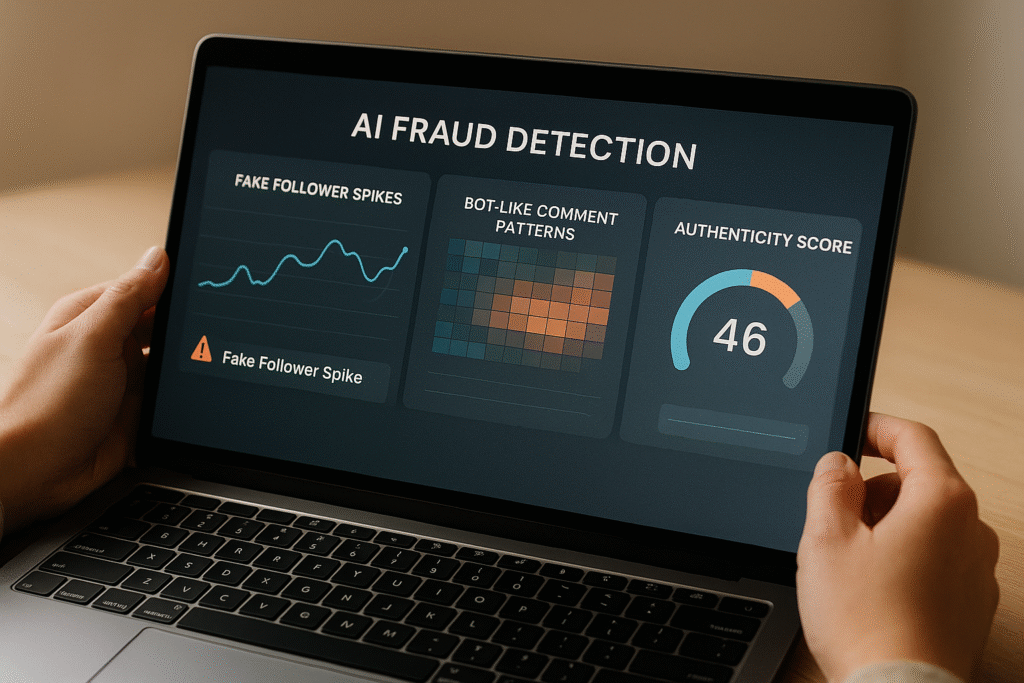
Influencer fraud—including fake followers, engagement pods, and bot activity—costs brands millions each year.
AI tools can detect:
- Sudden follower spikes
- Suspicious engagement patterns
- Bot comments
- Low-quality audience demographics
- Fake impression inflation
Platforms like Influencer Marketing Hub explain how AI in Influencer Marketing detects fraud at scale:
👉 https://influencermarketinghub.com/ai-influencer-marketing/
This ensures brands pay only for real impact—not manipulated metrics.
3. AI Predicts Campaign Performance Before You Launch
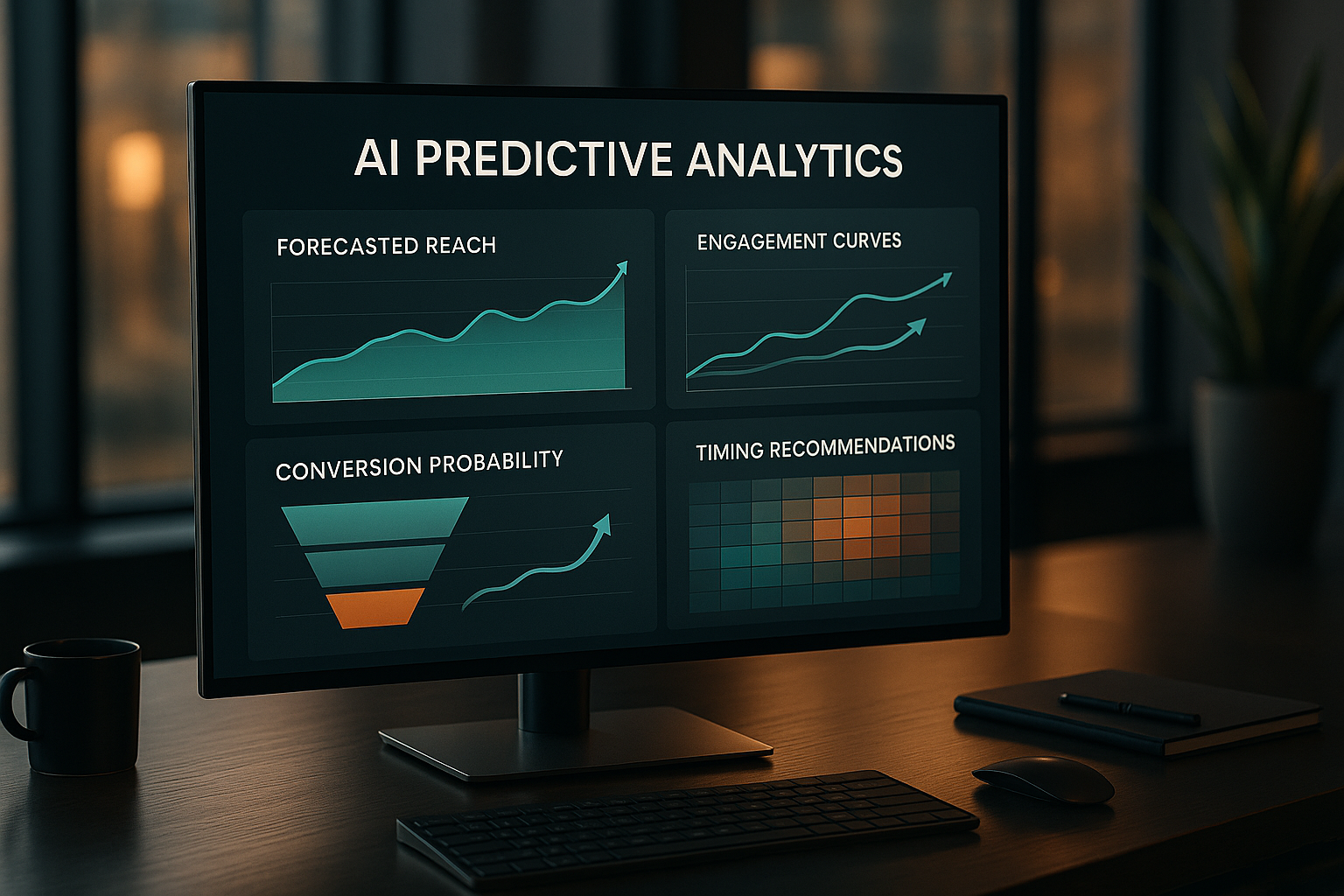
One of AI’s biggest strengths is predictive analytics.
Based on previous campaign data, audience sentiment, creator performance, and industry benchmarks, AI can predict:
- Expected reach
- Engagement rates
- Click-through probabilities
- Conversion likelihood
- Best-performing creators
- Best time & format for publishing
Predictive modeling allows marketers to optimize budgets and set realistic KPIs.
To explore this further, see AI-driven ROI prediction breakdown by Influencer Marketing Hub:
👉 https://influencermarketinghub.com/ai-influencer-marketing/
4. AI-Generated Content Is Empowering Creators & Brands
AI is not replacing creators—it’s enhancing them.
Influencers now use AI tools for:
- Script ideation
- Caption writing
- Video editing recommendations
- Color grading
- Thumbnail optimization
- Trend prediction
- Hashtag selection
- Voiceovers
- Background removal
- Shoot planning
This helps creators deliver higher-quality content faster—benefiting both brands and audiences.
Some brands are even experimenting with AI-generated influencers (virtual creators). Forbes covers the pros and cons of AI influencers extensively:
Virtual influencers offer:
- Zero scheduling conflicts
- Fully controlled messaging
- No controversies
- Unlimited content production
While still new, they’re becoming a powerful option for brand storytelling.
5. AI Enables Hyper-Personalized Influencer-Brand Matching
Instead of picking influencers based on follower count alone, AI analyzes:
- Brand values
- Audience overlap
- Historical sentiment
- Purchasing behavior
- Content style
- Engagement authenticity
This results in highly personalized creator selection, increasing campaign success rates.
Hootsuite’s influencer marketing tools also highlight AI’s ability to personalize recommendations and content strategies:
👉 https://blog.hootsuite.com/influencer-marketing-tools/
6. AI Optimizes Influencer Content for Maximum Engagement
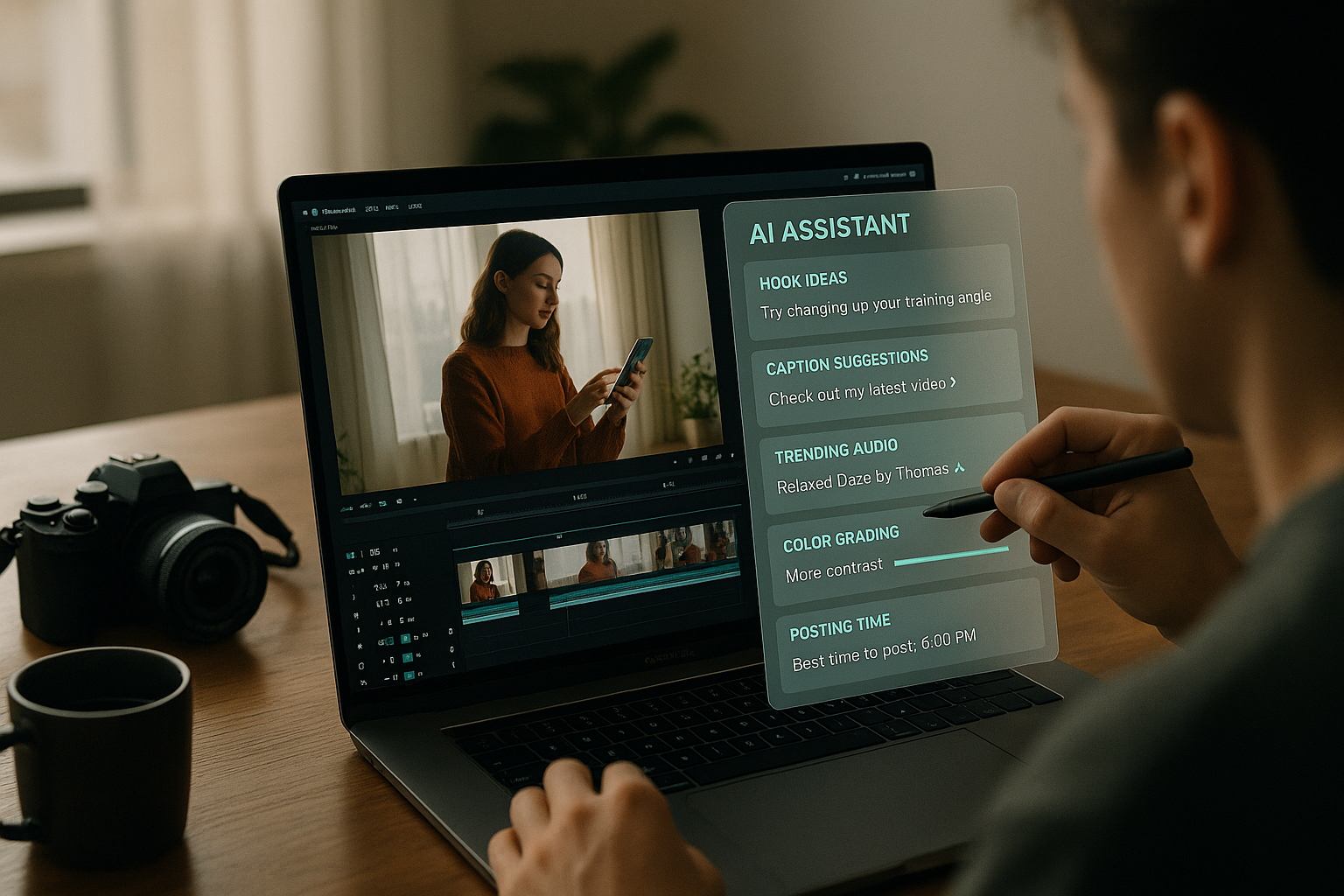
AI analyzes millions of posts to identify what drives high engagement.
It recommends:
- Best posting time
- Optimal video length
- Most effective hook structure
- Trending music
- Best-performing hashtags
- Caption improvements
- CTA placement
This gives influencers an instant performance advantage.
For a deeper breakdown of these optimization tools, check:
👉 https://blog.hootsuite.com/influencer-marketing-tools/
7. AI Automates Campaign Management & Reporting
AI in Influencer Marketing tools automate the most time-consuming tasks:
- Creator outreach
- Contract management
- Deliverable tracking
- Payment automation
- Post-verification
- ROI reporting
- Sentiment analysis
AI-based dashboards make reporting real-time and more transparent.
This is crucial for agencies handling large volumes of influencers and brands managing multiple campaigns simultaneously.
8. AI Helps Measure True ROI Through Multi-Layered Attribution
One of the biggest weaknesses in influencer marketing has always been attribution.
AI solves this by tracking:
- Multi-touch impact
- View-to-click behavior
- Click-to-cart conversion
- Assisted conversions
- Pixel behavior
- Coupon code patterns
- Sentiment-linked sales spikes
Tools like Hypr, CreatorIQ, and Upfluence all rely heavily on AI to measure ROI accurately.
A detailed explanation of scaling influencer programs with AI is outlined here:
9. AI Influencers in India: A Fast-Growing Trend
India is witnessing a rapid rise in AI-generated influencers.
These virtual creators are gaining popularity in categories like:
- Fashion
- Tech
- Beauty
- Finance
- Entertainment
With India’s massive digital population, AI influencers are becoming an exciting new format for marketers looking for scalable, risk-free storytelling.
Conclusion: The Future of AI in Influencer Marketing
AI is no longer optional in influencer marketing—it’s an essential part of modern brand building. It improves everything from influencer discovery, fraud detection, content optimization, and campaign measurement to long-term creator relationships.
As platforms continue integrating AI deeper into their algorithms, brands that adopt AI early will have a measurable competitive advantage.
Influencer marketing is becoming more scientific, predictable, and scalable—and AI is the force leading this transformation.