Get Started with Mintlink Today!
Automate your “link please” comments and start earning today. Download the free Mintlink app!
Table of Contents
In today’s digital-first world, small businesses need Influencer Marketing for Small Business to compete. With the rise of social media and creator culture, influencer marketing offers a compelling — and often affordable — way to build brand awareness, trust, and conversions. For small businesses with limited resources, the key lies in strategy: investing in smart, targeted collaborations rather than chasing celebrity status.
Why Influencer Marketing Works for Small Business
🎯 More Trusted Than Traditional Ads
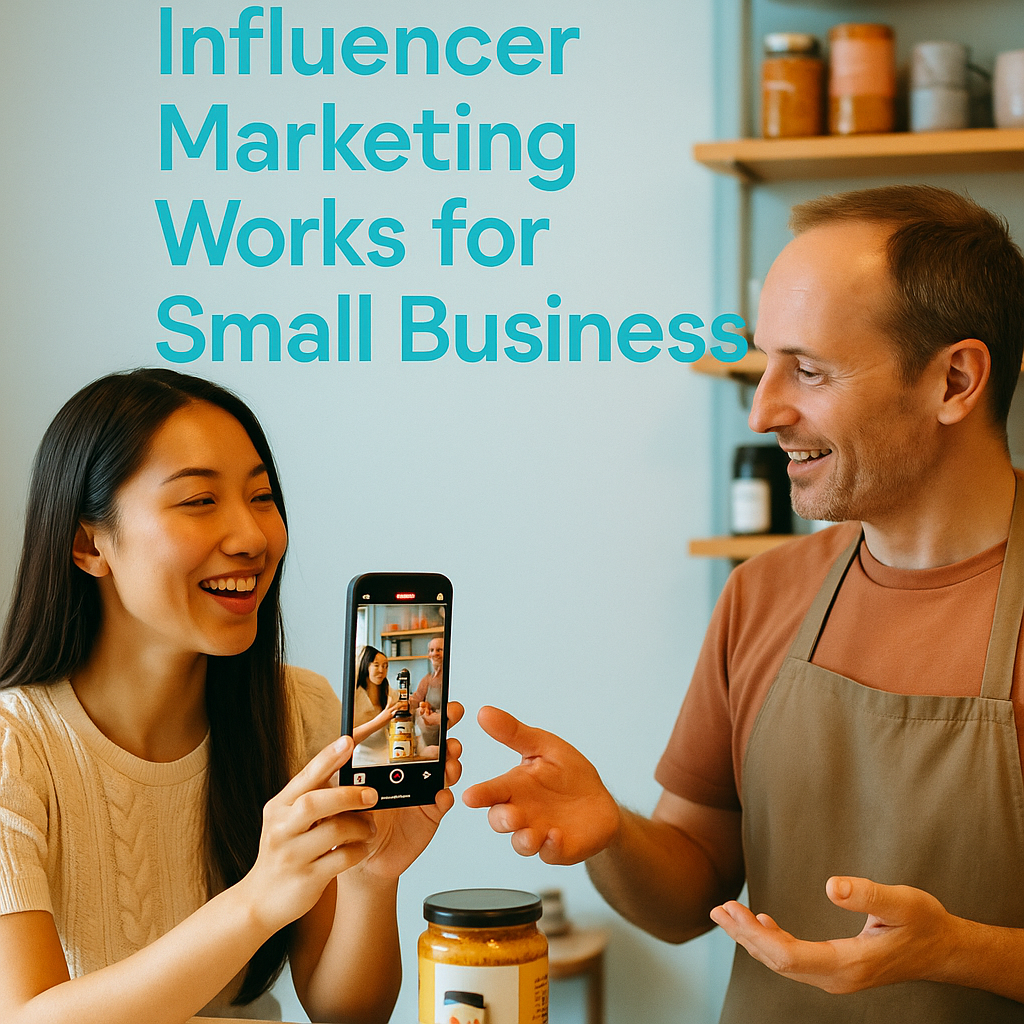
Many consumers—especially younger ones—are skeptical of traditional advertising and branding. On the other hand, recommendations by influencers who feel real and relatable carry more weight. Influencers often build a sense of trust and authenticity with their followers; their endorsements feel more like advice from a friend rather than a sales pitch. (Clicks Captain)
Additionally, because micro- and nano-influencers tend to have smaller but more engaged audiences, their followers are often more responsive and receptive — meaning better engagement and a higher likelihood of conversions. (Tring)
💸 Cost-Effectiveness: Big Impact Without Big Spend
Contrary to common perception, Influencer Marketing for Small Business doesn’t always require large budgets. While big-name influencers or celebrities may demand hefty fees, many influential creators with smaller follower bases (micro- or nano-influencers) are open to collaboration on modest budgets — sometimes just in exchange for free products or services. (Tring)
Further, when executed well, campaigns with such influencers often yield a strong return on investment (ROI), sometimes outperforming traditional ads for the same or lesser cost. (HubSpot Blog)
🧩 Targeted Reach & Niche Audiences
Small businesses often serve niche markets — specific demographics, local communities, or interest-based segments. Influencer marketing allows you to tap into precisely these groups by choosing creators whose audiences reflect your target customers. Compared to broad-based advertising, this targeted approach tends to result in higher engagement, better brand alignment, and greater conversion potential. (Clicks Captain)
Smart Strategies to Run Affordable Influencer Campaigns
To benefit from Influencer Marketing for Small Business without overspending, small businesses should adopt a strategic, thoughtful approach. Here are proven tactics:
1. Focus on Micro- and Nano-Influencers
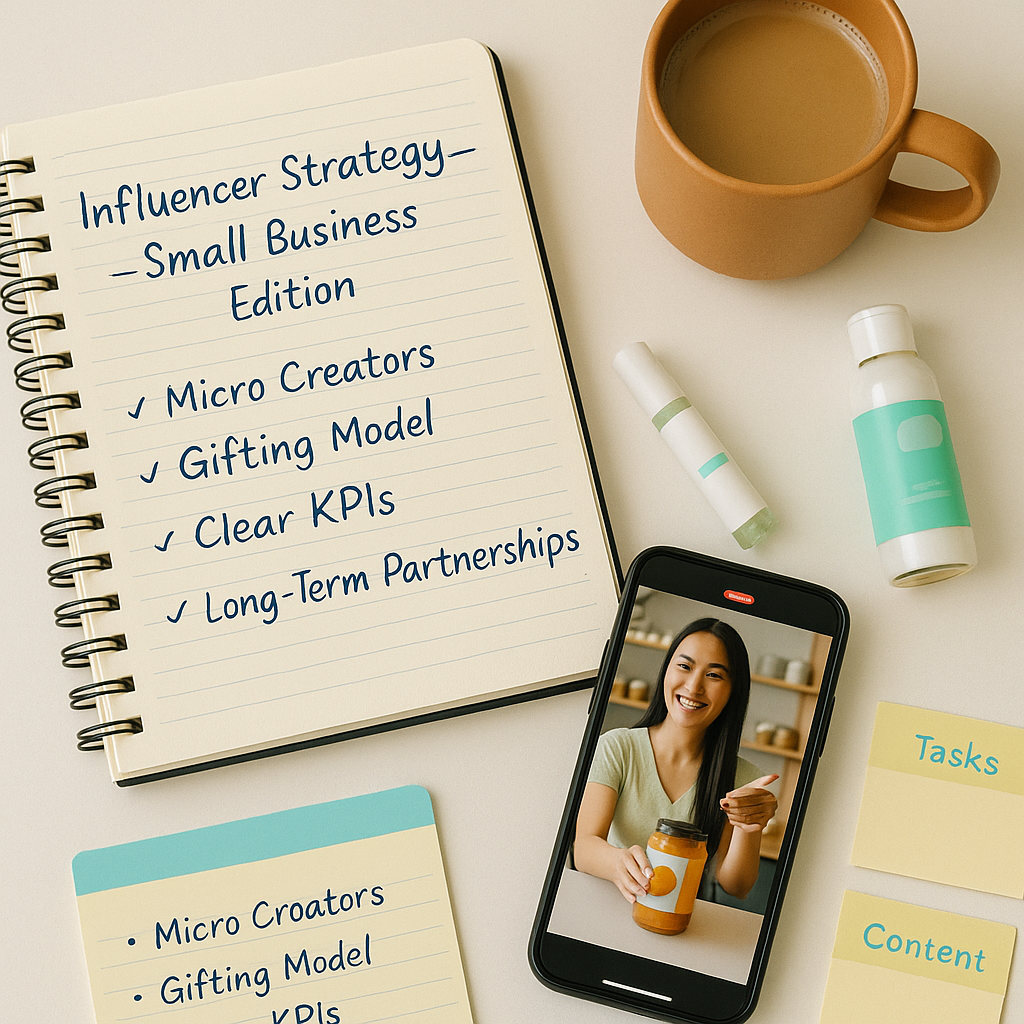
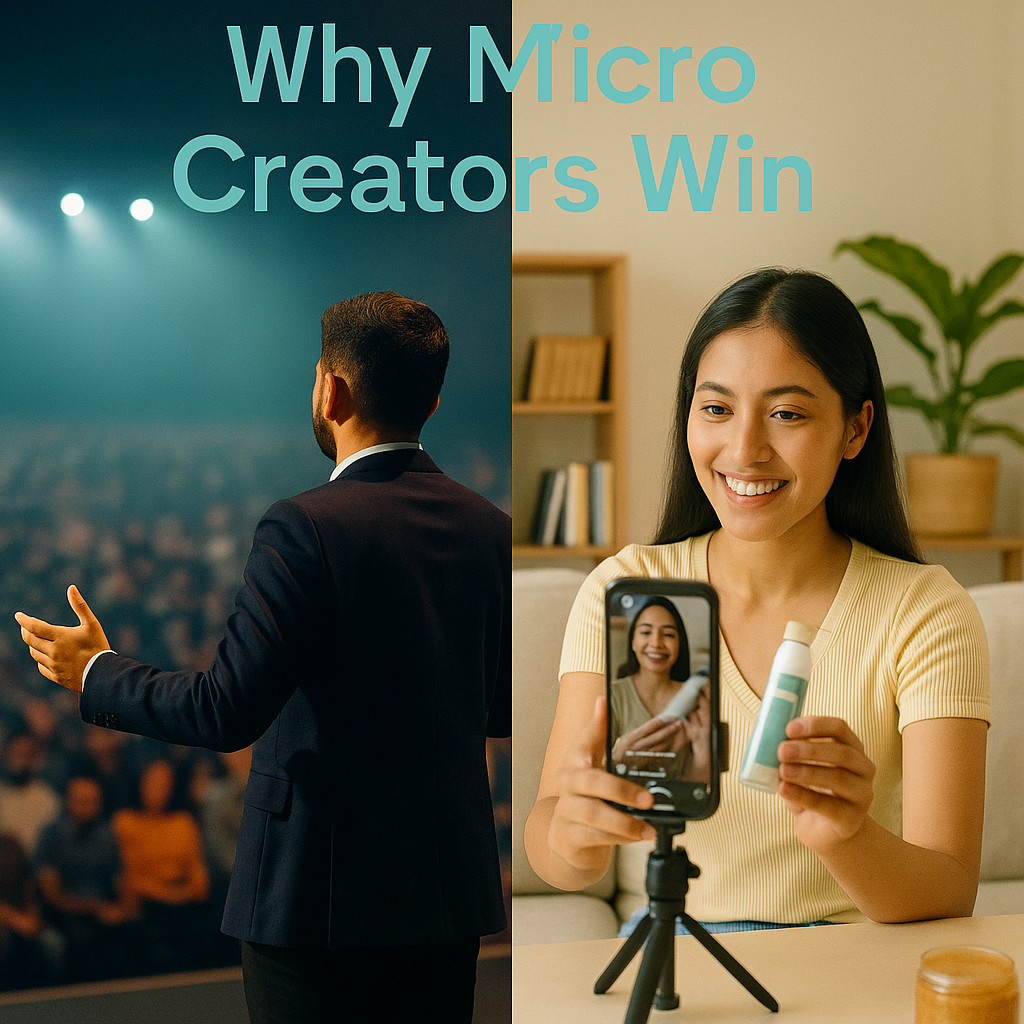
Rather than going straight for big-name influencers or celebrities, small businesses should build relationships with micro- (say, 10K–100K followers) or even nano-influencers (1K–10K followers). Though their followings are smaller, their audiences are often more engaged — and because they work in exchange for modest fees or products, collaboration becomes much more affordable. (Tring)
These influencers also tend to belong to niche communities, making them ideal for brands that cater to specific audiences.
2. Offer Products or Services as Payment (Gifting/Barter Model)
If cash payment isn’t feasible, many creators are open to receiving free products or services instead. This barter model can be a win-win — you get promotion without large cash outlay; the influencer gets value via free products or services. (Advertising Agency)
Ensure that the product or service you offer is something the influencer genuinely values — ideally relevant to their content and profile. Personalizing the outreach (showing you follow their content, appreciate their style) goes a long way. (Scrumball)
3. Define Clear Goals & Metrics from the Start
Before onboarding any influencer, be clear about what you want to achieve: brand awareness, website traffic, social-media followers, sales, or user sign-ups. A sharp goal helps you pick the right influencers, design content appropriately, and measure success accurately. (White Key Pro Commercio)
Use tracking tools — unique promo codes, UTM links, or custom landing pages — to monitor clicks, conversions, and ROI. This data helps you understand which collaborations worked and which didn’t, allowing smarter planning for future campaigns. (The Right Fit)
4. Build Long-Term Relationships Rather Than One-Offs
Instead of treating influencer collaborations as one-time gigs, aim for long-term partnerships. Ongoing collaboration fosters authenticity, builds trust with the influencer’s audience, and often reduces cost per post over time. Consistent brand exposure — across posts and time — tends to perform better than sporadic shout-outs. (White Key Pro Commercio)
Long-term relationships also allow influencers to genuinely integrate your brand into their content style, making promotions feel natural — a big plus for engagement and conversions. (PrimoStats)
5. Repurpose Influencer Content Across Channels
Once an influencer creates content for you — a post, video, reel, blog mention, etc. — don’t let it sit idle. Repurpose that content on your own social media, website, newsletters or even paid ads (with influencer’s permission). This maximizes the value out of every collaboration and often costs nothing extra. (White Key Pro Commercio)
6. Combine with Other Low-Cost Growth Tactics
Influencer marketing doesn’t have to operate in isolation. Combine it with other cost-effective strategies like user-generated content (UGC), referral programs, discount codes, or social-media contests. For example — ask the influencer’s followers to post with your product using a hashtag, run giveaways, or offer exclusive discounts to drive conversions. (Scrumball)
Common Mistakes to Avoid in Influencer Marketing for Small Business
Avoiding these common errors is key to successful campaigns:
- Choosing based solely on follower count. A big follower number does not always translate to engagement or conversions. High engagement and audience alignment matter more.
- Treating influencers as advertising billboards. Overly scripted or salesy content can reduce authenticity and trust. It’s better to allow creative freedom and let influencers integrate the brand naturally. (PrimoStats)
- One-time spikes instead of steady momentum. Occasional single posts may create hype but rarely sustain long-term growth. Consistency matters.
- Neglecting measurement and follow-up. Without tracking results, you won’t know what worked — making scaling or repeating campaigns difficult.
- Overlooking local/niche influencers. Small businesses, especially region-specific ones, often benefit more from local influencers who understand and reach local audiences. (connectfame.com)
Quick Step-by-Step Guide: Launching an Affordable Influencer Campaign
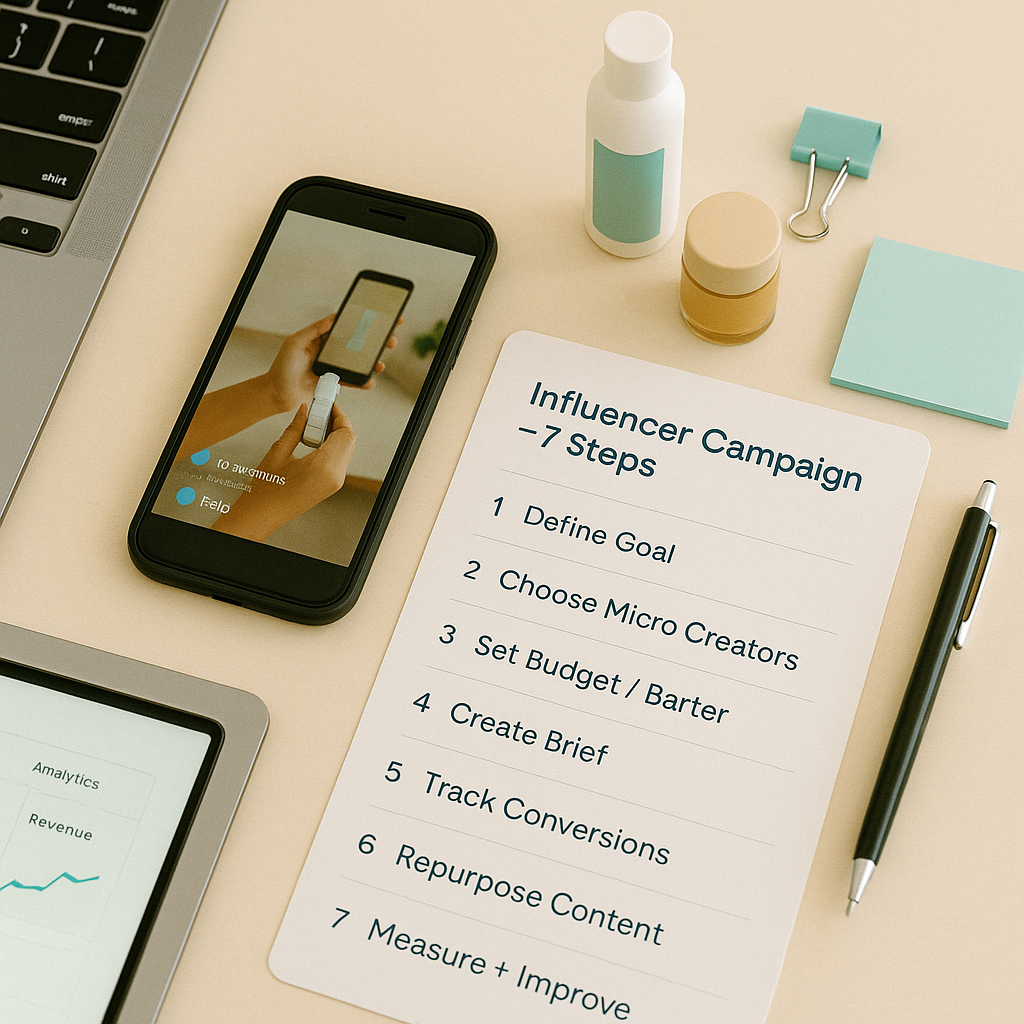
- Define your campaign goal(s) — e.g., new product launch, brand awareness, conversions.
- List target audience personas — who are your ideal customers? What content do they consume?
- Research potential micro- or nano-influencers whose audience aligns with your personas — check engagement, content style, audience demographics.
- Reach out with personalized messages — offer samples, barter deals, or modest compensation; clearly state what you expect (post, reel, review, story, UGC, etc.).
- Set up tracking mechanisms — unique promo codes, UTM links, or custom landing pages — to monitor clicks, conversions, and ROI.
- Schedule content and repurpose smartly — repost on your channels, use in ads (with permission), or embed in newsletters/website.
- Monitor performance, collect feedback — track sales, engagement, follower growth; ask customers how they heard about you; iterate.
- Foster long-term collaborations — nurture relationships with high-performing influencers; consider tiered reward models or regular content cadence.
Real-World Considerations (Especially for Small / Local / Indian Businesses)
- In countries like India, the social-media user base is huge — making influencer marketing especially relevant for small businesses aiming to reach urban and semi-urban audiences. Lower cost of living and local influencer rates make these collaborations more accessible than in Western markets.
- Local or regional influencers (in local languages) often have high trust among their communities and deliver better engagement than globally popular creators.
- Small businesses with physical stores or hyper-local services (like cafés, salons, gyms, boutiques) can leverage influencers to drive foot traffic — via location-tags, local hashtags, geo-targeted posts.
- Creativity and authenticity — for small businesses, storytelling (why you started, what you believe in, how you serve the community) resonates more than overt sales pitches. Partner with influencers who can bring that storytelling alive.
Conclusion
Influencer marketing no longer belongs only to deep-pocketed brands with glamorous budgets. For small businesses, with the right strategy and smart collaborations, it can be a highly effective — and affordable — way to build brand visibility, drive engagement, and convert customers. The keys to success: pick the right influencers (micro/nano, niche-aligned), be clear about goals, maintain authenticity, track performance, and focus on long-term relationships rather than one-off ads.
In the modern online marketplace, a few well-chosen posts — from creators who genuinely connect with your audience — can deliver more value than expensive ad campaigns. With thoughtful execution, small businesses can level the playing field and reach their audiences affordably — making Influencer Marketing for Small Business not just accessible, but essential.