Get Started with Mintlink Today!
Automate your “link please” comments and start earning today. Download the free Mintlink app!
Table of Contents
Understanding Gen Z aesthetic trends is crucial for any brand today. Born between the mid-1990s and mid-2010s, Gen Z is the first generation raised entirely in the digital era. They grew up with smartphones in hand, unlimited access to information, and social media woven into their everyday lives. Because of this, they’re naturally more skeptical of polished advertising and traditional marketing tactics. But they aren’t just passive consumers; they are active creators of culture.
They don’t just “buy”—they research, analyze, question, and then choose. And their choices are heavily value-driven. A study by Edelman found that 73% of Gen Z supports or buys from brands that align with their beliefs. Before hitting “add to cart,” they check a brand’s story, values, environmental stance, and what real people are saying online. Authenticity isn’t optional; it’s the currency.
As a generation that communicates visually, Gen Z has also created an entirely new aesthetic language—one that blends maximalism, experimentation, and self-expression. They don’t just follow trends; they shape them. And brands are now racing to keep up. Let’s break down how Gen Z has transformed the marketing landscape and what brands need to do if they want to speak their language.
The Gen Z Aesthetic: More Expression, Less Perfection
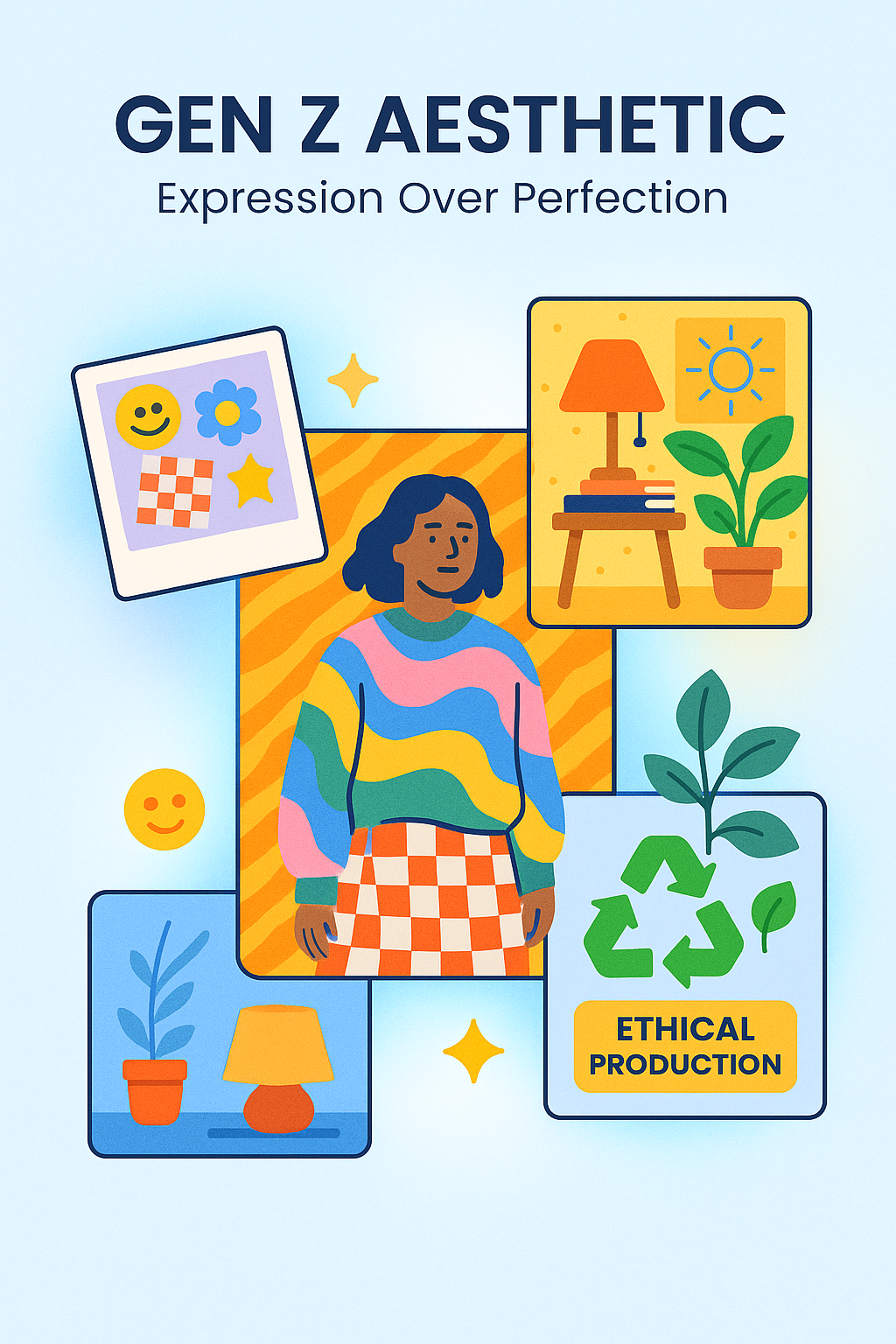
Gen Z’s aesthetic is bold, expressive, and unapologetically “extra.” Think clashing prints, bright colors, dopamine dressing, and a refusal to stick to conventional style rules. Portia from HBO’s The White Lotus is practically the poster child for this chaotic-cool energy.
This love for maximalism doesn’t stop at fashion. Their personal spaces—from dorm rooms to apartments—are curated with an eclectic mix of vintage, handmade, thrifted, and statement items. Emma Chamberlain’s LA home is a perfect example of how Gen Z brings their identity into their interiors. But this Gen Z aesthetic isn’t just about standing out; it’s about storytelling. Every print, color, or décor choice reflects personal identity.
And while they love bold visuals, they’re just as passionate about sustainability. Gen Z is deeply conscious of their environmental footprint. They gravitate toward brands that:
- Use ethical production practices
- Promote transparency
- Offer sustainable materials
- Support circular fashion
They’re willing to pay more for brands that share their values because, for them, shopping is an extension of activism.
What Brands Must Understand to Connect With Gen Z
Gen Z currently holds over $360 billion in buying power, making them one of the most influential consumer groups today. But winning them over requires more than just flashy ads or trendy campaigns.
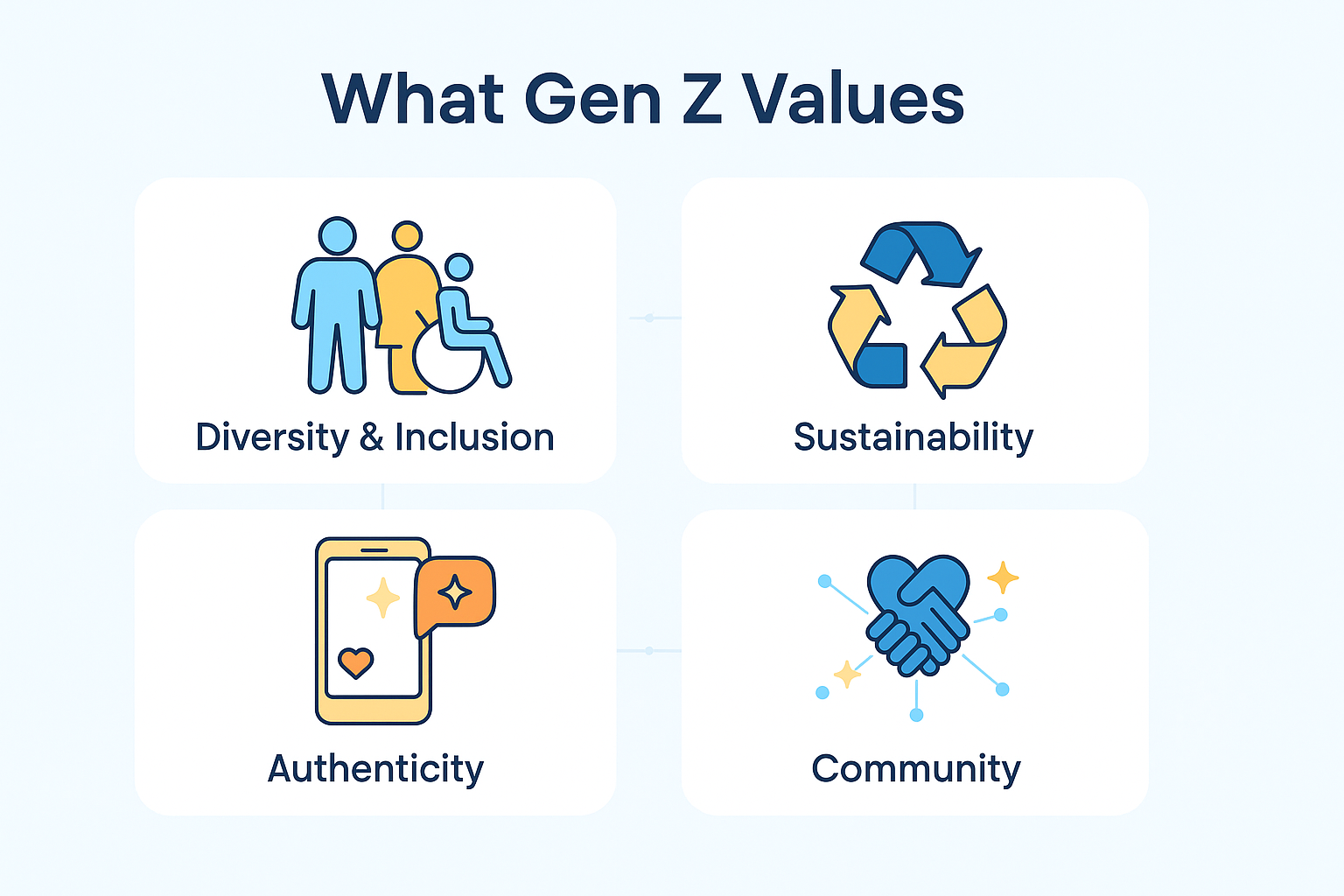
Here are four values brands must embody, not perform:
1. Diversity & Inclusion
Gen Z expects to see the real world reflected in marketing: different races, sizes, genders, and abilities. Representation is not a “campaign tactic”; it’s a baseline expectation.
2. Sustainability
Eco-conscious choices are non-negotiable. Brands that prioritize ethical sourcing, recyclability, and transparency earn Gen Z’s trust and loyalty.
3. Authenticity
This generation can spot inauthenticity instantly. Polished, scripted marketing doesn’t work anymore. Honest storytelling and real voices do. This is why authentic storytelling is now the most powerful marketing tool.
4. Community
Gen Z wants to support brands that stand for something. Whether it’s mental health, climate action, LGBTQ+ rights, or local communities, they look for brands that engage meaningfully with causes, not performatively.
Four Brands That Gen Z Loves (And Why)
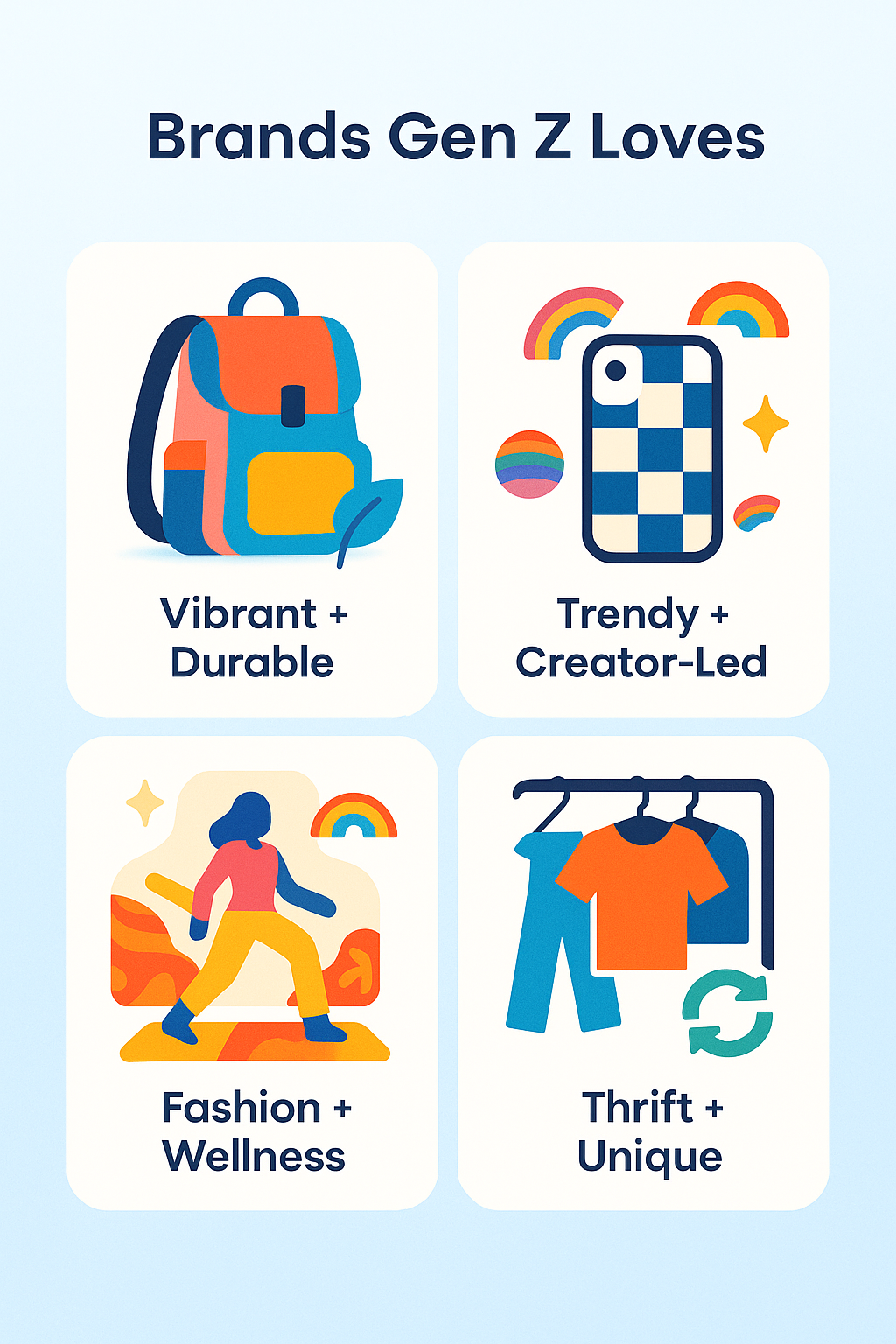
1. Baboon to the Moon
With vibrant colors, fun patterns, and durable designs, the brand perfectly captures Gen Z’s playful aesthetic. Their sustainability messaging and social media presence make them relatable and trustworthy.
2. Wildflower Cases
Trendy designs, bold visuals, and strong influencer collaborations have made Wildflower a Gen Z staple. Their Pride-themed collections and charity tie-ins further strengthen their values-driven appeal.
3. Alo Yoga
Alo blends fashion with wellness, two pillars of Gen Z culture. Their bold prints, self-care-driven branding, and collabs with creators who genuinely use their products keep the brand authentic.
4. Depop
Depop fuels Gen Z’s love for individuality and sustainable fashion. The app celebrates thrifting, recycling, and unique styling, making it both eco-friendly and trend-forward.
How Creators Can Monetize the Gen Z Aesthetic (with Mintlink)
Gen Z creators are the ones setting these trends. But how do they monetize this influence without losing their “cool” or looking like a sellout? The answer is: don’t be an ad.
Gen Z hates “salesy” interruptions. They prefer to discover products organically.
This is where a tool like Mintlink is essential for creators targeting a Gen Z audience.
- Subtle Monetization: Instead of shouting “BUY THIS,” a creator can simply wear a cool outfit in a Reel. When followers inevitably comment “link?”, Mintlink’s Instagram Comment Automation silently sends them a DM with the link. It’s helpful, not pushy.
- Curated Storefronts: Gen Z loves curation. Mintlink allows creators to build a highly visual, personalized storefront (“My Thrift Finds,” “Dopamine Decor”) that feels like a mood board, not a catalog.
- Authenticity First: By automating the sales process, creators can focus on making the authentic, chaotic, creative content that Gen Z loves, knowing the monetization is happening in the background.
Conclusion: Authenticity is the Only Way to Win
Gen Z has transformed the meaning of style, influence, and brand loyalty. Their love for expressive aesthetics, sustainable choices, and authentic storytelling is reshaping industries from fashion to beauty to home décor.
Brands that want to resonate with Gen Z must remember one thing: This generation doesn’t want perfection; they want personality.
If you can show up with authenticity, inclusivity, bold creativity, and a real commitment to values, Gen Z won’t just buy from you; they’ll champion your brand.
Frequently Asked Questions (FAQs)
Q1: What defines the Gen Z aesthetic? A: The Gen Z aesthetic is defined by maximalism, self-expression, and a mix of vintage and modern styles. It often involves bold colors, clashing prints, and a “chaotic-cool” energy that prioritizes personality over perfection.
Q2: Why is authenticity so important to Gen Z? A: Gen Z grew up in a digital world full of curated, fake perfection. As a reaction, they crave realness. They trust creators and brands that show flaws, behind-the-scenes reality, and honest opinions over polished, scripted ads.
Q3: How can brands market to Gen Z effectively? A: Brands must stop “marketing” and start “connecting.” This means using authentic storytelling, partnering with genuine creators (not just celebrities), supporting social causes meaningfully, and creating content that feels native to platforms like TikTok and Reels.