Get Started with Mintlink Today!
Automate your “link please” comments and start earning today. Download the free Mintlink app!
Table of Contents
If you’ve been browsing Instagram lately, you’ve seen the de-influencing and micro-influencers trend explode. Instead of promoting the newest “must-have” products, creators are telling followers not to buy certain things or to be more discerning shoppers. This trend rewrites the rules of traditional influencer culture.
De-influencing is about honest opinions and anti-hauls. This guide will explain what de-influencing is, why it’s popular, and how it’s changing influencer marketing for micro-influencers on YouTube, Instagram, and other platforms.
Why Is De-Influencing a Trending Topic?
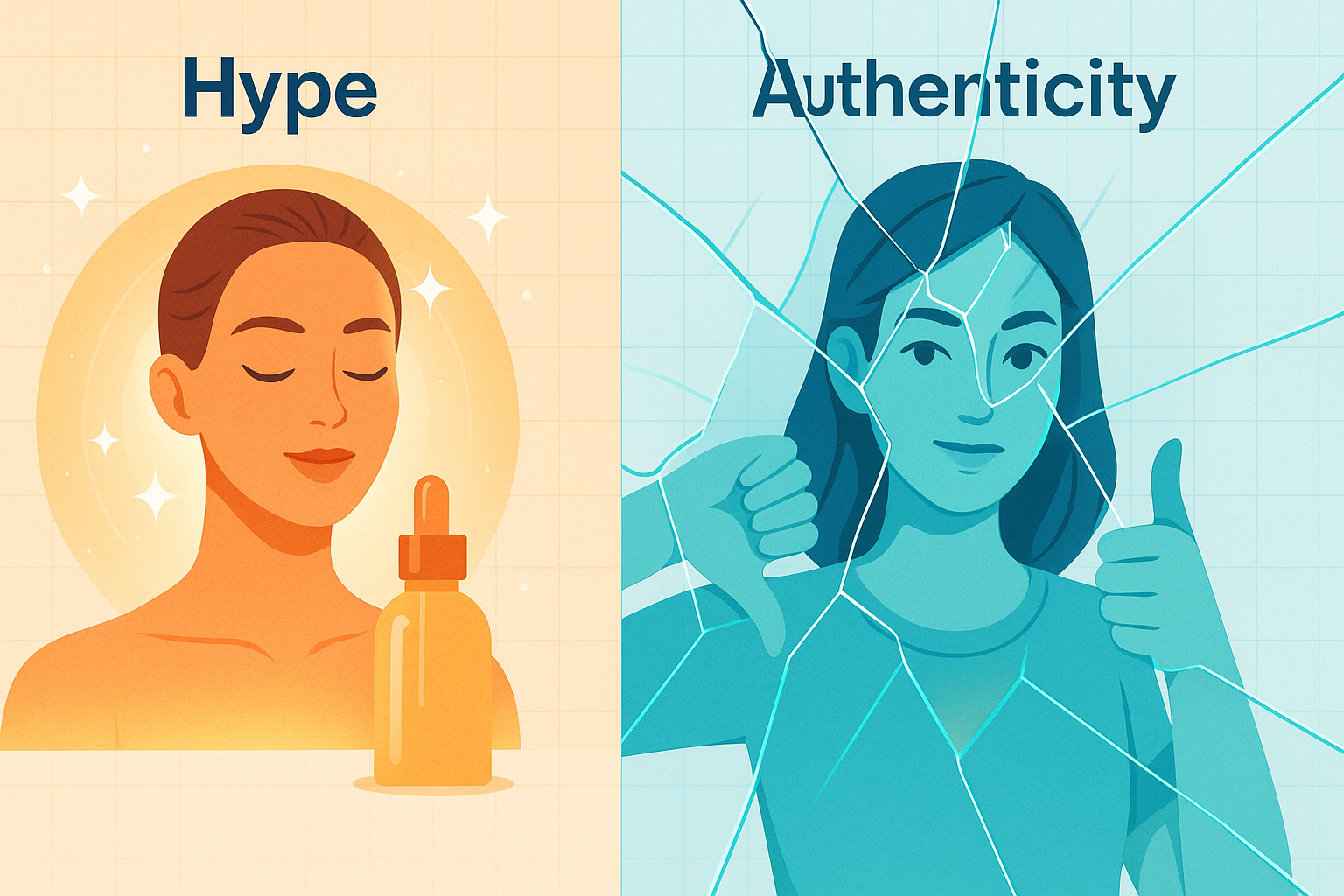
De-influencing is a social media movement that urges users to resist overconsumption and question advertising claims. Creators in these videos candidly address product defects or why you don’t really need that viral gadget.
The movement took off in early 2023. The TikTok hashtag #deinfluencing had almost 730 million views by mid-2023 and exploded to approximately 1.3 billion by January 2024. This anti-consumerist sentiment is clearly striking a chord.
So why is de-influencing trending? Several factors stand out:
- Audience Fatigue from Ads and Hype: The constant onslaught of sponsored posts has made users tired. The influencer market grew to a $16 billion industry, but it became saturated. A survey found only 12% of consumers would purchase a product an influencer recommends, and 42% later regretted it.
- A Deeper Desire for Authenticity: This trust gap fueled the de-influencing trend. Audiences demand unfiltered, real opinions. They are turning from glossy, “perfect” influencers to creators who are honest, even if it means saying a product isn’t worth the money.
- A Cultural Shift Toward Sustainability: Gen Z is increasingly worried about overconsumption. The old “TikTok made me buy it” culture of wasteful fast-fashion hauls is facing a backlash. De-influencers advocate for using existing resources, buying less, and making mindful purchases.
How the Influencer Marketing Landscape is Shifting
The de-influencing movement is changing the entire landscape.
- From Instant Sales to Long-Term Trust: Brands are realizing that endless #sponsored posts can damage their reputation. By teaming up with more sincere voices—who sometimes say “not this product”—a brand will attract higher-quality, more loyal customers. In fact, 83% of companies said influencers who focus on credibility (even by not promoting everything) result in more valuable customers.
- Influencers Are Adapting: Creators are mixing in “products I would not buy again” videos to keep their audience’s trust. Makeup artist Dara Levitan (200K+ followers) famously told her viewers not to feel pressured to buy everything, saying: “Let no one, not even me, convince you to part with your money.” This transparency was rare years ago.
- The Rise of Relatable Voices: Brands and audiences are shifting to smaller creators. Instead of paying a hefty fee for a bland celebrity endorsement, many brands now prefer to partner with micro-influencers known for their honesty.
The Sweet Spot: De-Influencing and Micro-Influencers
Let’s take a closer look at micro-influencers – generally, those with 10,000 to 100,000 followers. These creators are at the core of the de-influencing debate, as they are seen as the most credible.Increasing Trust and Credibility
This is the micro-influencer’s time to shine. Consumers are searching for approachable, “ordinary,” and honest creators, and micros fit that description perfectly. A celebrity feels distant, but a micro-creator feels like a buddy telling the truth.
A survey found that micro-influencer recommendations significantly uplifted consumer trust. They have about 60% higher trust levels and a 20% higher conversion rate compared to macro-influencers. Brands have seen this, and 77% stated they would prefer to collaborate with micro-influencers.
Higher Engagement Rates
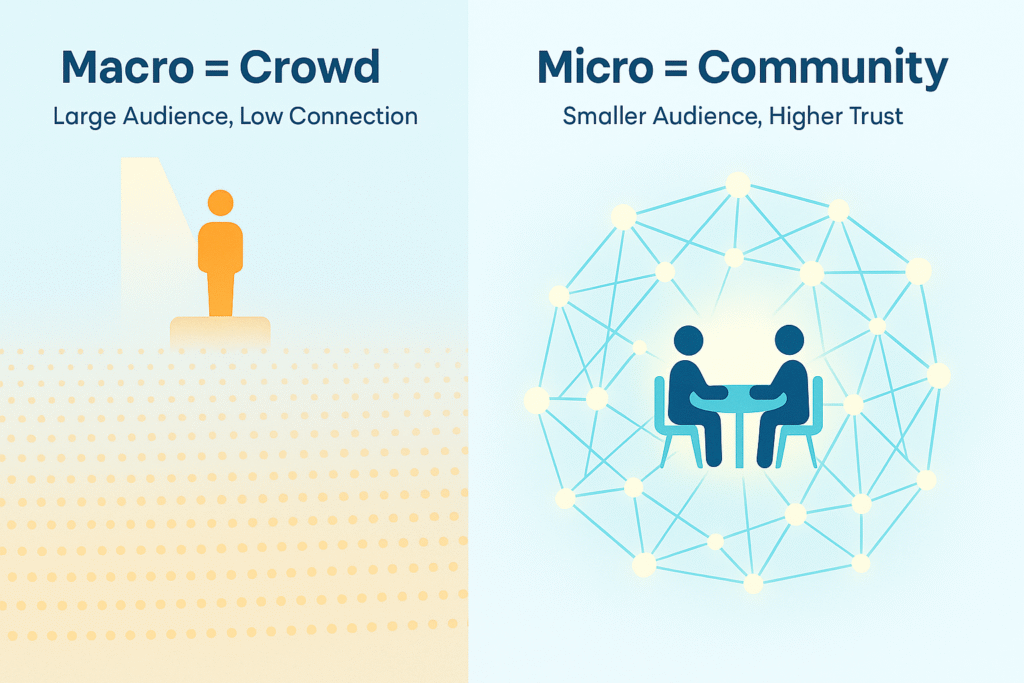
Engagement comes hand-in-hand with trust. Micro-influencers have always had higher average engagement (likes, comments, shares) than their macro counterparts. As trustworthiness gets tougher to find, followers of micro-influencers are interacting even more with content that feels real.
Data from Instagram shows micro-influencers have multiplied their engagement rates, reaching ~12% in 2024 compared to ~6% a few years ago. They are way ahead of macro-influencers, who might see ~2-3% engagement on a good day.
Authenticity as a Selling Point
Previously, a micro-influencer may have seen their smaller follower count as a disadvantage. In 2025, brands and audiences celebrate this. Micro-influencers are seen as more human and less prone to promoting products they don’t actually use.
This authenticity is their main selling point. A micro-influencer saying “skip this product” now and then makes their other recommendations far more persuasive.
Closer Community & Niche Opportunities
Many micro-influencers serve specific niches—be it cruelty-free skincare, budget fashion, or vegan cooking. Trust and expertise are crucial in these niches. A micro-beauty guru who isn’t hesitant to declare a popular mascara “overrated” will gain recognition as an honest expert. This creates opportunities for partnerships with brands that share her principles (e.g., an affordable indie makeup line instead of a hyped, expensive brand).
The Risks and Challenges for Micro-Influencers
This new trend also creates new problems for micro-influencers:
- Walking the Fine Line (Honesty vs. Negativity): Audiences appreciate honesty, but they don’t like constant complaining. If a creator’s every post is just tearing down products, followers might get turned off. The goal is to be a constructive guide, not a cynical critic.
- Strained Brand Relations: This is the biggest risk. Openly discouraging products can lead to a cold relationship with brands. A micro-influencer who bashes a specific skincare brand might be removed from their PR list. This is a problem for creators who depend on brand collaborations for income.
- Pseudo-Authenticity Backlash: When authenticity is a trend, the risk of it being faked appears. If an influencer creates “don’t buy this” videos just to get views, the audience will detect it. As The Conversation notes, “pseudo-authenticity” (faking being real as a marketing strategy) is a major concern.
The Solution: How Mintlink Solves the De-Influencing Dilemma
This creates a painful choice for micro-influencers: “Do I be honest and lose brand deals, or do I stay quiet and lose my audience’s trust?”
This is where Mintlink provides the perfect solution.
Mintlink is a “creator-first” affiliate and automation platform that allows micro-influencers to earn money because of their authenticity, not in spite of it.
- It Replaces Unreliable Brand Deals: The risk of “strained brand relations” only matters if you depend on flat-fee brand deals. Mintlink allows creators to build a separate, reliable income stream based on affiliate marketing.
- It Rewards Genuine Endorsements: Instead of faking enthusiasm for a product you hate, Mintlink allows you to only promote the products you genuinely love. You can de-influence 10 products, and then in your next post, say “But this is the one I actually use and recommend.”
- It Monetizes Your Honesty: When you link to that one product you do love using Mintlink, your recommendation is 100x more powerful because you were so honest before. Your audience’s trust is higher, and your conversion rate will be, too.
- It Automates Your Recommendations: Mintlink provides Instagram Comment Automation. When you post about that one good product, Mintlink automatically sends your affiliate link to everyone who comments “link,” turning your hard-earned trust into passive income.
Mintlink solves the core conflict: it gives creators the financial freedom (via affiliates) to be honest, which builds more trust, which in turn makes their affiliate links more profitable.
Categories Most Affected by De-Influencing
De-influencing is most visible in categories known for hype and overconsumption.
- Beauty & Fashion: This is where the trend began. Creators post “Makeup I wouldn’t buy again” videos, and influencers like Simran Balarjain build trust by showing a mix of products.
- Lifestyle & Home Goods: This category includes all those viral TikTok “must-haves” (like the Stanley cup). De-influencers are here to stop FOMO purchases.
- Tech & Gadgets: Famous reviewers like MKBHD were de-influencing before it was a trend. This is about advising against unnecessary upgrades and overhyped features.
- Health & Wellness: This is the most important category. De-influencers expose unsafe or unproven “miracle” supplements, detox teas, and fad weight-loss drugs.
How Micro-Creators Can Adapt and Flourish: A Playbook
- Maintain the Truth (and Be Honest): This is your power. Be 100% sincere. Always disclose sponsorships. If a product didn’t work for you, say so (politely).
- Embrace De-Influencing Content (Genuinely): Make a “Products I Regret Buying” video. But be genuine. The aim is to create value by saving your followers time and money, not to be negative for clicks.
- Focus on Value (Educate and Inform): Create content that helps your followers without selling anything. (e.g., “3 new outfits from clothes you already have” instead of a new haul). You’ll be seen as a trusted resource, not an ad channel.
- Choose Partnerships Wisely: This is the most critical shift. Only partner with brands you genuinely love. It’s better to have 3 high-trust affiliate partnerships on Mintlink that you 100% believe in than 10-flat-fee brand deals for products you don’t care about.
Frequently Asked Questions (FAQs)
Q1: What is de-influencing? A: De-influencing is a social media trend where creators tell their audiences what not to buy. It’s an “anti-haul” movement that pushes back against overconsumption and promotes authenticity and mindful purchasing over hype.
Q2: How are de-influencing and micro-influencers connected? A: The de-influencing trend is a perfect match for micro-influencers. Because micro-influencers have smaller, high-trust communities, their authentic and honest “don’t buy this” opinions are seen as more credible than a celebrity’s. This trend has allowed them to gain even more trust and engagement.
Q3: Can creators still earn money if they de-influence products? A: Yes, and often even more. While they might lose some one-off brand deals from brands they criticize, they build immense trust. This makes their positive recommendations (e.g., via affiliate platforms like Mintlink) far more powerful and profitable in the long run.
Conclusion: Trust is the New Currency
The de-influencing and micro-influencers trend has reshaped the creator economy. It’s a movement that champions authenticity and mindful purchasing over hype.
Micro-influencers are perfectly positioned to lead this authenticity revolution. While this creates new challenges (like navigating brand relationships), it offers a bigger opportunity: to build unbreakable trust with an audience.
By using a platform like Mintlink, creators no longer have to choose between being honest and getting paid. They can be honest, de-influence overhyped junk, and build a sustainable, long-term business by promoting the few products they genuinely love.