Get Started with Mintlink Today!
Automate your “link please” comments and start earning today. Download the free Mintlink app!
Table of Contents
Have you ever bought something just because your favorite creator said it was “life-changing”? Almost everyone has, and the reason goes way deeper than trends or aesthetics. It’s the psychology of influencer buying.
Influencer marketing works because it taps into how humans naturally behave: we trust people we relate to, admire, or feel connected with. And in a world where traditional ads feel repetitive and over-polished, recommendations from real people hit differently.
Today, influencer marketing isn’t just growing—it’s becoming one of the most reliable ways to impact buying decisions. Nearly 74% of consumers have bought something because they saw it on social media, and honestly, it makes perfect sense.
Why Influence Works: The Psychology Behind It
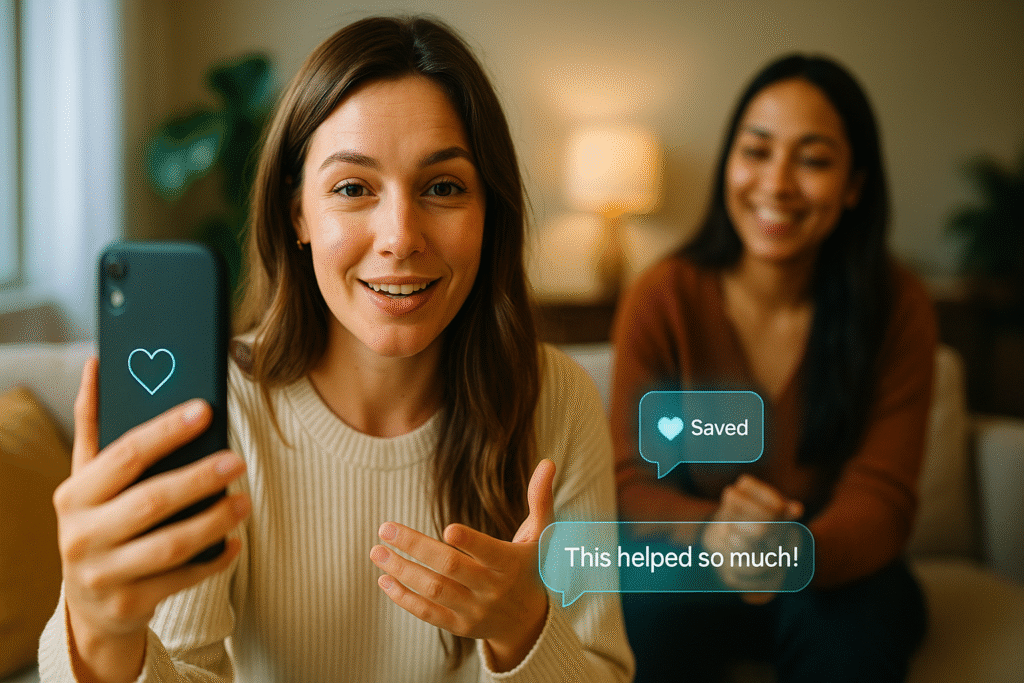
At its core, influence comes down to something basic: people take cues from their peers. If someone you trust likes a product, you’re more likely to want it too.
Studies show that audiences trust influencers more than brand ads, especially when the creator’s lifestyle genuinely aligns with what they’re promoting. This “match-up” effect is huge. If it feels real, it resonates. If it looks forced, audiences check out instantly.
And the trust factor is massive. 71% of global consumers trust opinions shared online (Source: Nielsen). That’s why influencer-led content feels less like marketing and more like advice from someone who actually gets you.
Cialdini’s Principles: The Hidden Framework Behind Viral Influence
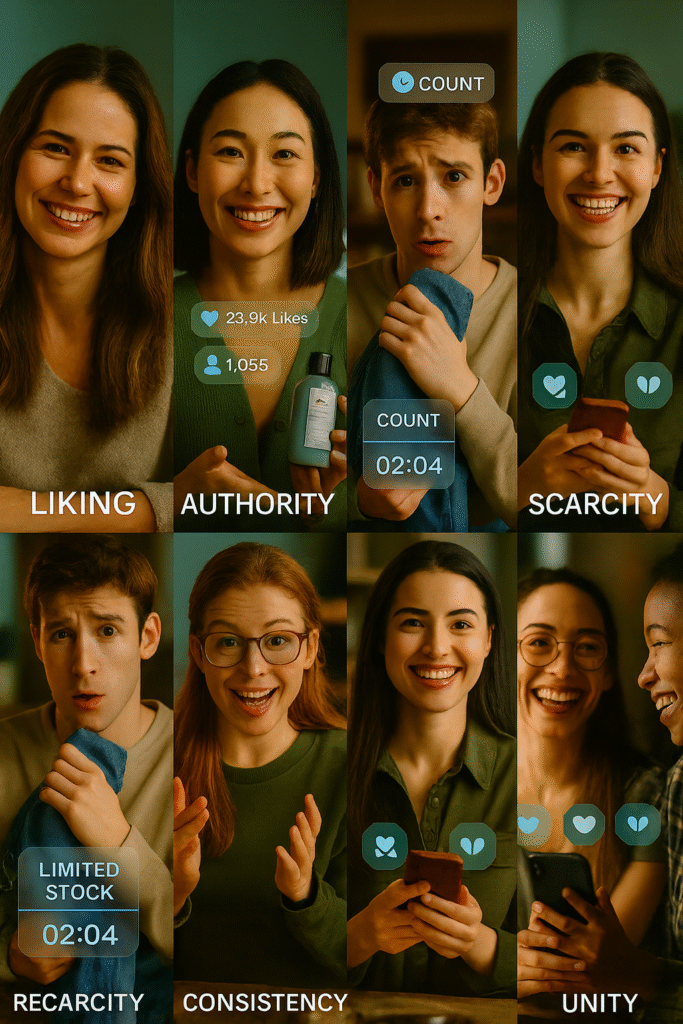
The profound effect of the psychology of influencer buying can be explained using Robert Cialdini’s seven principles of persuasion. Influencer marketing works so well because it taps directly into these human drivers:
1. Liking: The Familiarity Effect
This is the simplest principle. We are persuaded by people we like. Influencers cultivate an intimate, parasocial relationship with their followers, making them feel like a “friend.”
- The Power: When a friend recommends a product, you trust them. Influencers leverage this, making their pitch feel like a trusted recommendation, not an ad.
2. Authority: Expertise, Not Fame
Cialdini’s original principle relates to formal authority (doctors, police). In the creator economy, this is replaced by niche authority. Micro-influencers in a specific field (e.g., sustainable fashion) are seen as credible experts.
- The Power: When a creator with genuine expertise promotes a product, their opinion carries more weight than a generic celebrity. This helps lower consumer skepticism instantly.
3. Social Proof: The Bandwagon Effect
People look to the actions of others to determine their own. When an influencer shows a product being used by a massive community, it creates urgency.
- The Power: Followers see thousands of comments, shares, and other people buying the product—it validates the decision, triggering the “bandwagon effect.”
4. Scarcity: The Fear of Missing Out
Influencers often introduce limited-time, limited-stock, or exclusive-access products (e.g., “Use my code to get it before it sells out!”). This triggers FOMO.
- The Power: The perception that something is rare or will disappear motivates immediate purchasing behavior.
5. Reciprocity (Expanded for Creators)
When someone gives you something of value, you feel obligated to give back. Creators do this by providing free, valuable content (tutorials, advice, entertainment).
- The Power: Followers feel indebted to the creator, making them more receptive to a recommendation when it finally arrives.
6. Consistency (Expanded for Creators)
People prefer to behave in ways that align with their past actions. Influencers build loyalty by consistently aligning their values with their content and recommendations.
- The Power: If a creator consistently preaches sustainability, and then promotes a sustainable brand, the follower buys to stay consistent with their own values.
7. Unity (Expanded for Creators)
This is the sense of shared identity. Influencers build powerful “tribes.” When a creator promotes a product, they frame it as something “for us.”
- The Power: Followers buy the product not just for its function, but to signal membership in the creator’s tribe.
Why Authenticity Matters More Than Ever
Today’s audiences, especially Gen Z, can spot inauthentic content instantly. They gravitate toward influencers who show their real lives: the messy parts, the honest opinions, and the unscripted moments.
That’s why authentic creators drive better results. When people trust the person, they trust the product. Nearly half of consumers now make at least one purchase a month based on influencer recommendations. That’s not hype, that’s a habit.
How Influencers Shape Brand Loyalty and Buying Decisions
Markets are crowded. Brands are everywhere. Ads blend into the background. But influencers cut through the noise because they provide what brands alone cannot: relatability, proof, and human connection.
Studies consistently show that influencer marketing boosts brand perception, trust, loyalty, and purchase intent. That’s exactly why brands continue to increase their investment year after year.
For many companies, it’s no longer a “nice to have.” It’s becoming the backbone of modern brand-building.
The Monetization Layer: Turning Trust into Trackable Sales (with Mintlink)
Understanding the psychology of influencer buying is essential, but pure psychology doesn’t pay the bills. You need a system to convert that high-level trust into measurable revenue.
This is where the affiliate model and automation meet psychology.
- The Psychological Driver: The follower decides to buy because of the Cialdini principles (Liking, Trust, Authority).
- The Technical Problem: The follower comments “link please?” on a Reel, but the creator can’t reply immediately, and the psychological drive is lost.
- The Mintlink Solution: Mintlink is the tool that turned a creator’s psychological trust into real sales. Mintlink uses automation to instantly send the affiliate link via DM. This ensures the psychological trigger (the impulse to buy) is captured instantly, maximizing conversion.
You convert the high-trust relationship into a measurable sale. This is how you close the psychological loop between content and commerce.
Conclusion: Trust is the Priceless Currency
Influencer marketing works because it’s rooted in psychology, not trends. People trust people. And in a digital world full of noise, that trust has become priceless.
When brands collaborate with the right creators—ones who are authentic, value-driven, and aligned with their audience—they’re not just getting visibility. They’re building belief, connection, and actual buying behavior. That’s the real power of influence.
Frequently Asked Questions (FAQs)
Q1: Why do followers trust micro-influencers more than celebrities? A: Micro-influencers embody the principle of Liking and Similarity. Their followers see them as relatable peers, like a trusted friend, rather than a distant celebrity. This personal connection makes their recommendations feel more genuine, which directly drives purchasing intent.
Q2: What is the Cialdini Principle most used in influencer marketing? A: Social Proof (showing others using and loving the product) and Liking (the perceived friendship with the creator) are the two most powerful principles used by creators to drive sales.
Q3: How does Mintlink use the psychology of buying? A: Mintlink leverages Cognitive Ease and Scarcity. By using automation to instantly DM a link, it removes all friction (Cognitive Ease) and captures the user at the moment of impulse (Scarcity/FOMO), maximizing the psychological window for conversion.