Get Started with Mintlink Today!
Automate your “link please” comments and start earning today. Download the free Mintlink app!
Table of Contents
We all know memes — the funny, often absurd images and short clips that dominate our social feeds. But somewhere between “distracted boyfriend,” “Drake Hotline Bling,” and the latest viral trend on Instagram Reels, memes stopped being just jokes. They became one of the most powerful communication tools online.
We all know memes — the funny, often absurd images and short clips
Welcome to meme marketing — arguably one of the smartest and most culturally relevant content strategies brands can use today.
🎯 What Is Meme Marketing?
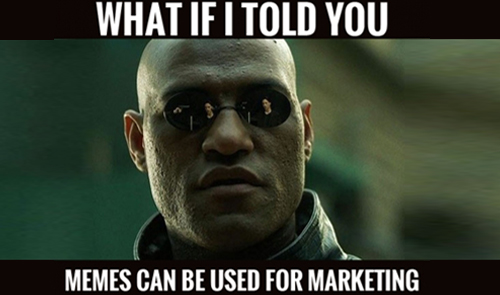
Meme marketing is when brands use memes — relatable jokes, trending formats, cultural references — as part of their content strategy. Instead of polished visuals or corporate-style ads, brands speak the way the internet speaks: fast, funny, and familiar.
Memes don’t feel like advertisements.
They feel like content you’d share with your friends — which is exactly why they travel so fast.
A single meme, posted at the right moment, can reach millions without any paid boost. It’s the closest thing we have to “word of mouth at the speed of the internet.”
✅ Why Brands Are Loving Meme Marketing
1. Relatability & Personality
Memes make brands feel human — approachable, self-aware, and culturally in sync.
That’s why creators like Kusha Kapila, Karan Sonawane (Famous_Studio), and Tanmay Bhat often collaborate with brands using meme-style humor. Their audiences trust them because they sound like real people, not advertisers.
2. Cost-Effectiveness
You don’t need a massive budget to make a meme — just timing, creativity, and a good understanding of culture.
This is exactly why startups and D2C brands use memes heavily: big impact, low cost.
3. High Engagement & Viral Potential
Memes get shared, tagged, remixed — they spread naturally.
Even celebrities like Diljit Dosanjh, who often uses meme humor in his Instagram stories, regularly goes viral without any paid push. The humor drives the engagement.
4. Cultural Relevance
Memes let brands join real-time conversations.
A great example: when Alia Bhatt’s “Uff” meme started trending after a movie clip, brands from Zomato to cosmetics brands jumped on it instantly — riding the meme wave for reach and relatability.
5. Brand Humanization
Younger generations trust brands that “get it.”
When Netflix India uses memes referencing its own shows or trending jokes, it doesn’t feel like marketing — it feels like they’re part of the culture.
📈 Real Results: Meme Campaigns That Worked
Netflix India’s Meme Playbook
Netflix mastered meme marketing globally, but the India team took it to another level.
When Narcos or Sacred Games trended, they paired iconic scenes with relatable everyday jokes. Audiences shared them wildly — driving both conversations and watch-time.
Zomato & Swiggy
No conversation about meme success in India is complete without these two.
Whether it’s a meme about 2 AM hunger, delayed deliveries, or “your order is being prepared,” their content spreads like wildfire — all while keeping the brand top-of-mind.
Ranu Mondal’s “Lata Mangeshkar Meme Moment”
When Ranu Mondal went viral overnight, dozens of brands leveraged the trend — with memes about unexpected fame, glow-ups, and luck changing suddenly.
It wasn’t just humor — it was culture intersecting with marketing.
These examples show one thing clearly: when memes land well, the ROI is huge.
⚠️ The Risk: Memes Are a Double-Edged Sword
Meme marketing works — but only when handled carefully.
1. Timing Issues
Memes have a short life span.
Jump in too late and you look outdated or trying too hard — audiences notice.
2. Tone Mismatch
A brand using an edgy or sensitive meme can backfire.
For example, several Indian brands were criticized for using memes based on serious news events — proving humor needs limits.
3. Inauthenticity
When a brand forces a meme or misunderstands the joke, audiences instantly cringe.
Creators like Bhuvan Bam often joke about how brands sometimes misunderstand meme culture — proving audiences can sense when a brand lacks authenticity.
4. Copyright Issues
Many memes use movie scenes or celebrity images.
Using them commercially without permissions can lead to legal trouble. Brands must be smart here.
🧪 When Meme Marketing Works Best
Meme marketing is ideal when:
- your audience is Gen Z or Millennials
- your brand voice is fun, bold, or conversational
- you want quick buzz, shareability, or cultural relevance
- your product fits everyday, relatable situations (food, fashion, lifestyle, entertainment)
It works less for ultra-serious industries unless used carefully.
🧩 How to Do Meme Marketing the Right Way
- Stay true to your brand’s tone
- Move fast — trends expire fast
- Avoid memes that might offend
- Mix memes with value-driven content
- Don’t try to be funny all the time — balance is key
- Learn from creators who already understand meme culture
Think like the internet — not like an advertiser.
🎯 Verdict: Is Meme Marketing Worth It?
Absolutely — but only when done thoughtfully.
Meme marketing isn’t just a “trend.”
It’s how modern culture moves, how Gen Z communicates, and how brand conversations happen in 2025.
Done right, memes can give you:
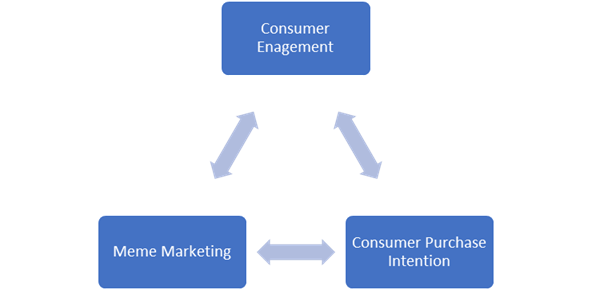
- massive engagement
- skyrocketing shareability
- stronger brand recall
- lower marketing costs
- genuine cultural relevance
But done wrong, they can feel forced, outdated, or tone-deaf.
If brands can understand meme language the way creators and influencers do — with authenticity, timing, and cultural intuition — meme marketing can easily become one of the most efficient and effective growth levers this year.