Get Started with Mintlink Today!
Automate your “link please” comments and start earning today. Download the free Mintlink app!
Table of Contents
For the last few years, the internet has been busy burying influencer marketing. Articles claim audiences no longer care. Commenters complain about overexposed creators. Some brands openly say they don’t see ROI anymore. Even creators themselves talk about burnout, algorithm drops, and the pressure to constantly reinvent. On the surface, it looks like a sinking ship.
But if you look closely at the brands truly winning in 2026, a very different story emerges. Influencer marketing isn’t dying — it’s simply shedding its old skin. The industry is evolving into a more mature, more valuable, and far more data-driven ecosystem. This evolution is exactly why brands like Ed-a-Mamma skyrocketed through smart collaborations, or how Khaby Lame became a global advertising machine without saying a single word. If influencer marketing was on its deathbed, billion-dollar companies wouldn’t still be building their entire growth flywheels around creators.
Why “Influencer Fatigue” Sounds True — But Actually Isn’t
It’s undeniable that audiences are tired of the old way of doing things. They’ve seen too many staged “candid” shots and too many recycled scripts. The fatigue people feel isn’t about influencers themselves — it’s about inauthenticity. When creators promote five unrelated brands in a week, even the most loyal follower feels disconnected.
Yet the moment a creator speaks honestly, the connection returns instantly. Komal Pandey sharing her unfiltered style journey, TechBurner breaking down gadgets in a relatable tone, or MostlySane talking about everyday life — these moments remind audiences why they follow creators in the first place. People trust people. That truth hasn’t changed. Only the approach needs to evolve.
Creators Aren’t Just Influencers Anymore — They’re Media Powerhouses
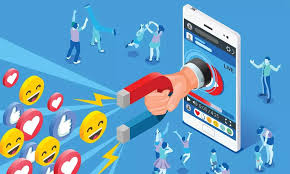
The shift happening today is monumental: creators are no longer just content makers, they’re becoming media brands in their own right. Ranveer Allahbadia isn’t just a YouTuber — he runs a full-fledged podcast empire. Dolly Singh doesn’t simply entertain — she shapes culture and trends through her persona. Tanmay Bhat has transformed the meaning of creator-led marketing through meme formats that outperform traditional ads.
Brands that still treat creators like mere posting machines are stuck in a 2018 mindset. The brands winning today are the ones co-creating with creators, not dictating to them. The future belongs to collaborative storytelling, not transactional promotion.
The Unexpected Rise of Micro-Creators — The Real Plot Twist
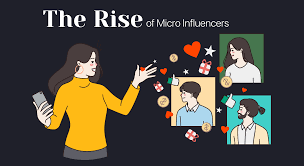
While everyone debates whether mega-influencers are fading away, micro-creators are quietly dominating. A skincare review from a 25,000-follower esthetician often drives more qualified conversions than a celebrity endorsement. A cooking reel from a regional food creator can sell out cookware faster than a national campaign.
The reason is simple: micro-creators feel real. Their lives look like their audience’s lives. Their recommendations feel like advice from a trusted friend. And in an era where trust converts faster than impressions, they are reshaping how brands grow. Mintlink’s own campaign data repeatedly shows that micro-creators deliver stronger ROI, deeper engagement, and higher purchase intent — proving that influence isn’t about size; it’s about relevance.
Do Influencers Actually Drive Sales? The Truth Is Clear
There’s a popular belief that influencers don’t generate sales, but the reality tells a different story. One reel from Kusha Kapila has previously sold out home brands within hours. Niharika NM’s fashion collaborations have consistently caused restocks. Tech creators like GyanTherapy generate lakhs in affiliate sales every month simply through trust-based product breakdowns.
Sales absolutely happen when content feels native, honest, and aligned with the creator’s real personality. The influencers who don’t convert are usually the ones who create content that feels forced. The strategy fails — not the medium.
Creators Today Influence the Entire Funnel — Not Just Awareness
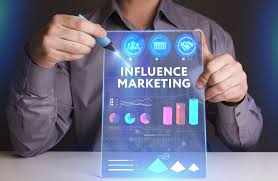
Gone are the days when creators were only used for top-of-funnel buzz. In 2026, they contribute across the entire customer journey — awareness, interest, validation, conversion, and even retention. Brands now repurpose creator content for performance ads, create creator-led landing pages, build affiliate ecosystems, and even use influencer UGC for remarketing.
Look at brands like Boat, Mamaearth, Sugar, or Nykaa. Their growth wasn’t powered by one-off celebrity endorsements. It was the result of building a repeatable creator pipeline — a system, not a stunt. This is exactly why influencer marketing today looks less like “sponsored posts” and more like a full-scale growth engine.
The Real Problem Isn’t Influencers — It’s Outdated Brand Strategies
Influencer marketing isn’t struggling because creators don’t work. It’s struggling because many brands still operate with a pre-2020 mindset. They expect one-off posts to drive miracles. They rely on follower counts instead of audience alignment. They force scripts on creators instead of trusting their voices. And they rarely track performance beyond likes.
Brands like Lenskart, Wow Skin Science, Zara (India), and several modern D2C players are succeeding because they treat creators as strategic partners. They invest in relationships, not one-time transactions. They focus on long-term storytelling rather than quick hits.
So, Is Influencer Marketing Dying?
Not even close. The noise is dying. The fakeness is dying. The shortcuts are dying.
But authentic creators?
Story-led content?
Community-driven buying?
Cultural influence?
Performance-led creator ecosystems?
They are only getting stronger.
Influencer marketing isn’t disappearing — it’s entering the most powerful phase of its existence. And the brands embracing this evolution, especially through platforms like Mintlink that connect creativity with data, will define the next decade of digital commerce.
This isn’t the collapse of influencer marketing.
This is its rebirth.