Get Started with Mintlink Today!
Automate your “link please” comments and start earning today. Download the free Mintlink app!
Table of Contents
For more than a century, Stanley was just another rugged, industrial thermos brand success—something your grandfather carried on fishing trips, not something Gen Z queued up to buy. Yet in the last few years, Stanley has transformed from an outdoorsy utility product into a global lifestyle obsession. Its 40 oz Quencher has become one of the most iconic items on social media—fueling waitlists, resale markups, and millions of user-generated posts.
This dramatic shift didn’t happen by accident. It is one of the clearest examples of how influencer marketing, creator culture, and smart community-led branding can resurrect a legacy brand and make it feel new again.
How Stanley Quietly Became a Cultural Phenomenon
Stanley’s real rise began when lifestyle influencers and “mom creators” on TikTok and Instagram started posting about the Quencher—not as a product review, but as part of their daily routines. The turning point came when creators from “The Buy Guide,” a well-known curation community of women shoppers, posted about the Stanley Quencher being sold out everywhere. Their posts blended scarcity with practicality, turning a simple water bottle into a coveted accessory.
In the US, TikTokers like Tinx, Alix Earle, and Brianna LaPaglia casually featured the Quencher in GRWM videos and morning routine clips. None of these looked like ads—they looked like lifestyle moments. Yet every time a video went viral, search volumes for “Stanley Cup” spiked dramatically. Stanley had unintentionally slipped into the influencer ecosystem—and the effect snowballed.
The Alix Earle Effect: How One Creator Changed the Game
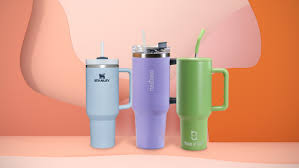
When Alix Earle, one of the most influential Gen-Z creators, started showing her pastel-colored Stanley mugs in multiple videos, the brand crossed over from middle-America mom culture into mainstream youth pop culture. Alix didn’t make a dedicated ad or long review. She simply used the cup on camera while talking about college life, makeup, and everyday chaos.
The result was staggering:
Stanley saw a massive surge in demand, with retailers reporting sell-outs within hours. The “Alix Earle Effect” showed once again that modern consumers don’t respond to traditional endorsements—they respond to creators they trust, doing things they normally do.
Celebrities Joined the Wave Too
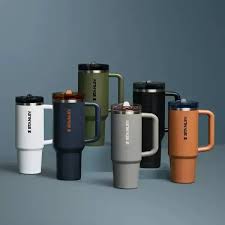
Soon, even celebrities started being spotted carrying Stanleys. Carrie Underwood, Jessica Alba, and Kelly Clarkson were photographed with the viral cup. While these weren’t paid placements, each public sighting amplified the brand’s cultural credibility.
Stanley suddenly belonged everywhere:
at the gym, in office desks, in car cupholders, on influencer bedside tables, and in celebrity paparazzi shots. What Hydro Flask and Yeti built through rugged branding, Stanley rebuilt through cultural relevance.
The Emotional Hook: Why People Became Obsessed
Stanley’s genius wasn’t just influencer visibility—it was emotional positioning.
Creators didn’t just show the mug; they showed:
- The colors matching their outfits
- The Stanley on their work desk while they talked about productivity
- The mug on their passenger seat during long drives
- The mom influencers highlighting hydration habits
- Laser-engraved personalized Stanleys gifted during holidays
- “Stanley restock hauls” that looked like sneaker drops
The Stanley Cup became a symbol of habits, routines, self-care, and lifestyle aesthetics. People weren’t buying a water bottle—they were buying the feeling of belonging to a trend-driven, wellness-oriented community.
How Stanley Leaned into the Momentum
In a smart move, Stanley didn’t try to take control of the narrative. Instead, it embraced community-led virality. The brand invested heavily in creator partnerships, micro-influencer gifting, and limited-edition colors that fueled repeat purchases.
Seasonal drops became events.
Color collaborations became collector items.
Users filmed unboxing videos like they were opening iPhones.
Even limited collaborations like the Stanley x Starbucks and Stanley x Target drops caused massive lines, overnight queues, and resale prices 5–10x higher—similar to sneaker culture. Suddenly, Stanley wasn’t selling hydration—it was selling hype.
UGC Became the Backbone of Sales
The most impressive part?
Most of Stanley’s success didn’t come from ads… it came from UGC. Thousands of creators—from moms to college students to fitness influencers—kept posting about their Stanleys without being paid.
A TikTok of a Stanley surviving a car fire even went viral globally, turning into free PR. The brand leaned into this moment by gifting the man a new car and new mugs, further strengthening brand love.
What Brands Can Learn from Stanley’s Rise
Stanley is not just a success story—it’s a roadmap. The brand proves that:
- Community is more powerful than advertising
- Influencers don’t need to be paid to create cultural impact
- UGC can outperform traditional marketing
- A product becomes iconic when it becomes part of lifestyle content
- Legacy brands can reinvent themselves with creator-first strategies
This is exactly where platforms like Mintlink give brands a huge advantage. While Stanley succeeded through organic creator love, most brands need a systematic way to:
- build creator pipelines
- track performance
- manage UGC
- reward top creators
- run affiliates
- create viral loops with nano-creators
The Stanley story shows what happens when a brand rides the cultural wave. Mintlink helps brands create that wave intentio.
Conclusion
Stanley didn’t win because it was the best product.
It won because creators made it a part of their everyday storytelling.
Influencers turned it into a lifestyle accessory.
Celebrities turned it into a status statement.
Communities turned it into a collectible.
TikTok turned it into a phenomenon.
And the world turned it into a multi-billion-dollar case study in modern brand building.